
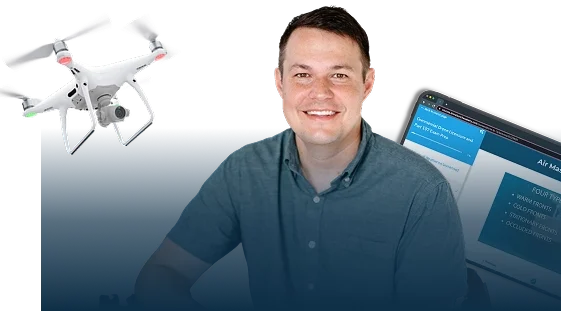
Every school has students who struggle in traditional classrooms.
They may fall behind during lectures, disengage from worksheets, or feel disconnected from subjects that don’t seem relevant to their lives. Over time, these students are often labeled as unmotivated or “not academic,” even though the real issue is usually the learning environment—not the student.
Drone programs, including structured drone classes, are proving to be different.
Across many schools, educators are seeing students who struggle in traditional classes become more focused, more confident, and more engaged when they enter a drone-based learning environment specifically designed to support their needs.
Introduction to Drone Education
Drone education is opening new doors for students and schools alike. As the demand for skilled drone pilots and remote pilot certificate holders continues to rise, educators are recognizing the value of bringing drone technology into the classroom. By weaving drone education into the curriculum, schools are giving students the chance to develop real world skills that are highly sought after in today’s workforce.
Learning to fly drones isn’t just about operating equipment—it’s about understanding the national airspace system, mastering regulations, and preparing for the responsibilities of a remote pilot. This hands-on approach to education inspires young minds, making technology and engineering feel relevant and exciting. With drone education, students gain practical knowledge and experience that can launch them into the exciting world of drone technology and a variety of future careers.
Traditional Classrooms Don’t Match How All Students Learn
Most traditional classes rely on:
Lectures
Reading-heavy instruction
Abstract concepts
Delayed feedback through tests and grades
For many students—especially hands-on, visual, or kinesthetic learners—this creates frustration. They may understand concepts when shown practically, but struggle to absorb information presented only through text or explanation.
Drone programs change the structure of learning in a way that better fits these students.
High School Drone Programs and CTE Programs
High School Drone Programs and CTE Programs
High school drone programs and CTE (Career and Technical Education) pathways are designed to prepare students for the rapidly evolving drone industry. These programs offer a complete package of learning, combining foundational knowledge of drone technology with hands-on flight training and mission planning. Students explore real world scenarios, from aerial surveying to public safety applications, guided by drone professionals and industry experts.
By integrating drone education into CTE programs, schools ensure that students are not only learning about drones, but also gaining the skills and certifications—like the FAA Part 107 remote pilot certificate—needed to succeed in the workforce. High school drone courses emphasize practical experience, teamwork, and problem solving, making students highly competitive for careers in technology, engineering, and aviation. With support from experienced instructors and access to the latest equipment, students graduate ready to take on the challenges of the modern workforce.
Drone Programs Are Hands-On by Design
Drone programs require students to actively participate.
Instead of sitting and listening, students:
Plan flights
Operate equipment
Troubleshoot mistakes
Adjust and retry until something works
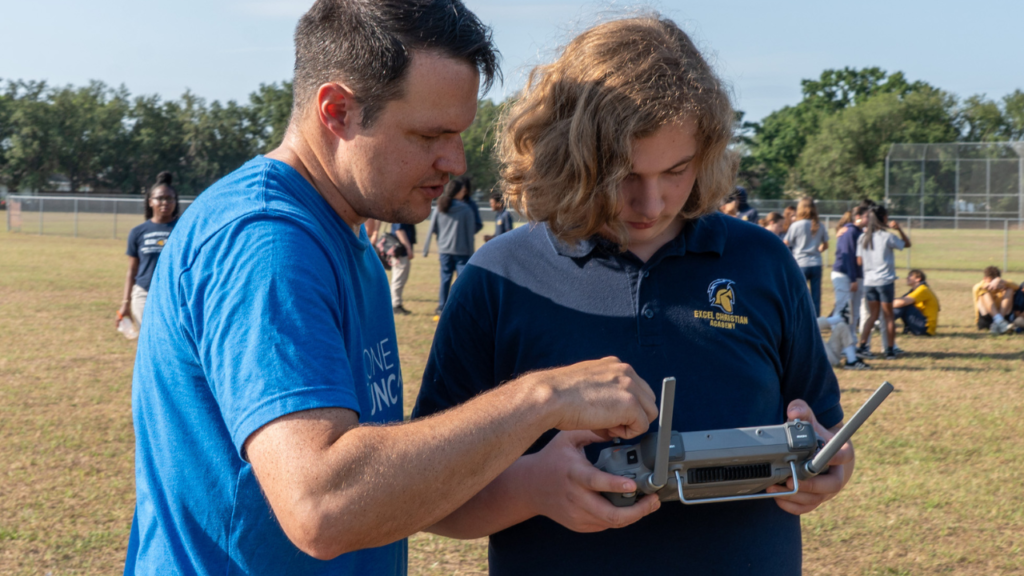
Participate in flying drones
This active involvement keeps students engaged and focused. Learning becomes something they do, not something that happens to them.
For students who struggle to stay engaged in traditional settings, this shift makes a major difference.
Hands-on flying activities in drone programs directly support STEM learning by helping students develop practical STEM skills through real-world applications.
Course Content and FAA Part 107
The heart of any drone education program is its course content, which is carefully designed to prepare students for both the technical and regulatory aspects of drone flight. Students dive into drone technology, learning about different types of drones, their components, and how to assemble, maintain, and safely operate them. Flight skills are developed through hands-on practice, covering everything from basic takeoff and landing to advanced navigation and emergency procedures.
A key focus is on FAA Part 107 regulations, which govern drone operations in the national airspace system. Educators guide students through the rules and requirements, using practice tests and interactive activities to boost student engagement and ensure thorough understanding. By the end of the course, students are well-prepared to take the remote pilot certificate exam, equipped with the knowledge and skills needed to fly drones safely and legally. This comprehensive approach ensures that students are ready for real world applications and future careers in drone technology.
Immediate Feedback Helps Students Learn Faster
In many academic classes, students don’t know they misunderstood something until a test days or weeks later.
Drone programs offer immediate feedback:
If a flight plan is wrong, the drone doesn’t behave as expected
If safety rules aren’t followed, problems are visible right away
If changes are made, results improve instantly
This clear cause-and-effect helps struggling students understand mistakes without feeling discouraged. They can fix issues in real time and see progress quickly.
Learning Feels Relevant and Purposeful
One of the biggest reasons students disengage is because they don’t see the point of what they’re learning.
Drone programs naturally answer that question.
Students learn how drones are used in:
Construction
Engineering
Surveying
Public safety
Inspection and documentation
These programs promote career readiness by equipping students with practical skills and certifications that are valued by employers in these industries. Additionally, these skills prepare students for further education in college-level drone or technology programs.
When students understand how skills connect to real jobs and real tools, they are more willing to put in effort—even if school has been difficult for them in the past.
Success Is Not Based Only on Tests
Traditional classrooms often measure success through quizzes and exams.
Drone programs reward a broader set of skills, such as:
Problem-solving
Spatial awareness
Attention to detail
Responsibility and safety awareness
Teamwork
Technical curiosity
Many students who struggle with tests excel in these areas. For some, it’s the first time they feel competent in an academic setting.
That success changes how they see themselves as learners.
Drone Programs Support Different Learning Styles
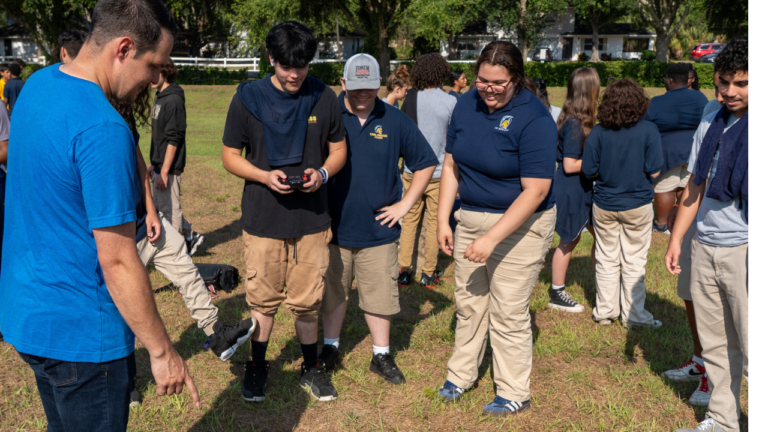
Drone-based instruction naturally supports:
Visual learners through maps, flight paths, and data
Kinesthetic learners through hands-on operation
Logical learners through planning and troubleshooting
Collaborative learners through team-based projects
Instead of forcing all students into one learning style, drone programs allow multiple ways to engage and succeed.
Clear Structure Without Busywork
Students who struggle academically often disengage when work feels repetitive or meaningless.
Drone programs tend to be:
Project-based
Goal-oriented
Structured without unnecessary busywork
Students understand what they are working toward and why. That clarity helps them stay focused and reduces frustration, as the structured approach provides a clear pathway for students to progress from basic skills to advanced competencies.
Improved Attendance and Participation
Many schools report that drone programs:
Improve attendance
Increase participation
Reduce classroom behavior issues
Re-engage students who were previously disengaged
This is not because drones are a novelty. It’s because students feel capable, trusted, and involved in meaningful work.
Building Confidence About the Future
Students who struggle in traditional classes often lack confidence about their future.
Drone programs expose them to:
Career pathways
Workforce-relevant skills
Industry expectations
Credential and certification opportunities
These programs help students reach new heights by advancing their skills and confidence, preparing them for future opportunities.
Even students who do not pursue drone careers gain confidence knowing they can learn technical skills and succeed in hands-on environments.
Why This Matters for Schools
Drone programs help schools:
Support at-risk students
Strengthen CTE pathways
Offer alternative paths to success
Improve engagement and retention
Demonstrate real-world outcomes
They provide a different entry point into learning—one that many students need.
Final Thoughts
Students who struggle in traditional classrooms are not incapable learners. Often, they simply need a different way to engage with education.
Drone programs offer:
Hands-on learning
Immediate feedback
Real-world relevance
Multiple ways to succeed
For many students, that combination is the difference between disengagement and motivation—and between falling behind and finding a path forward.
If your school is considering starting a drone curriculum, you can book a call with our customer support team to learn how a program could fit into your existing CTE or STEM pathways.