Starting a high school drone program can feel overwhelming. Many school leaders know drones connect to real careers, but they are unsure where to begin, what equipment is required, how safety works, or how drones fit into CTE pathways.
This guide will break down what it really takes to start a drone program at a high school, including curriculum, equipment, safety, and how it fits into CTE pathways.
Why High School Drone Programs Are Growing Fast
Drones are no longer a niche hobby. They are used every day in:
- Surveying
- Agriculture
- Public safety
- Infrastructure inspection
Educators are leveraging high school drone programs to prepare students for the job market by integrating drone curricula and professional training into their teaching, helping students gain relevant skills and certifications.
As industries adopt drone technology, schools are responding by adding drone education to CTE pathways.
These programs help students:
- Build technical and safety skills
- Earn industry-recognized credentials
- Explore high-demand careers
- Engage in hands-on learning
Using drones in the classroom increases student interest in STEM subjects more effectively than traditional textbook learning.
For schools, drone programs support career readiness, enrollment growth, and workforce alignment by preparing students for future careers and making them more competitive in the job market.
What a High School Drone Program Actually Includes
A strong drone program is more than just flying drones. It usually includes four core components: course content, hands-on flight training, safety protocols, and assessment methods. Course content can be customized to align with specific educational goals, allowing schools to adjust topics and materials to suit student interests and learning objectives.
A structured curriculum is essential for integrating drone activities into subjects like math, physics, geography, and humanities.
1. Drone Technology Fundamentals
Students learn:
How drones work
Core components (motors, sensors, batteries, controllers)
Flight principles and navigation
Data collection basics
This content works well in STEM and introductory CTE courses.
2. Safety and Regulations
Safety is critical in school environments. Programs should cover:
- FAA rules for drone operations
The Federal Aviation Administration (FAA) is the regulatory body responsible for drone pilot certification, including the FAA drone certification process.
- School-appropriate flight procedures
- Risk management and safety planning
- Responsible drone use
Safety training includes education on FAA guidelines, airspace classifications, and ethical responsibilities.
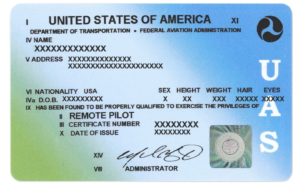
Many schools introduce FAA Part 107 concepts even if students do not test immediately. Students can work toward earning a drone pilot’s license, also known as a remote pilot certificate, by passing the FAA drone certification exam. This certification is required to become a remote pilot for commercial operations and is essential for legal compliance and professional opportunities in the drone industry.
3. Career Pathways and Industry Use
Students explore how drones are used in real jobs, such as:
- Construction site documentation
- Engineering and surveying support
- Mapping and modeling
- Inspection and measurement
They also learn about the practical applications of drones in industries like agriculture, public safety, and media production, including aerial photography and videography. Drones offer new perspectives in media production, expanding opportunities in fields such as aerial photography and videography.
Students can engage in hands-on projects that blend drone piloting with robotics engineering, providing practical experience that is highly valued in the aviation industry. The global commercial drone market is projected to reach $54 billion by 2030, highlighting the growing demand for skilled professionals. Earning a drone pilot’s license can benefit students seeking higher education or careers in college programs and the aerospace industry.
This helps students connect classroom learning to real careers.
4. Hands-On Projects and Assessments
Effective programs include:
Guided flight exercises
Mapping or inspection simulations
Problem-solving projects
Clear assessments aligned to CTE outcomes
This keeps teachers from having to build everything from scratch.
Where Drone Programs Fit in CTE Pathways
Drone education fits naturally into multiple CTE pathways, including:
- Engineering & Technology
- Construction
- Transportation
- Manufacturing
- Agriculture
- STEM-focused pathways
Many schools use drones as:
- A standalone course
- A unit within an existing pathway
- A capstone or specialization
When implementing a high school drone program, it is important to develop a clear plan that outlines goals, stakeholder engagement, and program logistics to ensure success. The teacher plays a key role in managing the program, supporting student progress, and ensuring compliance with regulations and certification requirements. The program’s structure can also include after-school programs, elective courses, or required classes.
Because drones are used across industries, they are flexible and easy to justify to district leadership.
Equipment Schools Actually Need (And What They Don’t)
One of the biggest concerns schools have is equipment cost. When selecting equipment and curriculum for your high school drone program, it’s important to consider your program’s budget and look for cost-effective or free options that fit your needs. The good news: you do not need expensive drones to start.
Typical Starter Equipment
Beginner-friendly drones with safety features
Extra batteries and propellers
Charging station
Storage case
Computer or tablets for instruction
Most programs start small and scale over time.
What Schools Often Overbuy
High-end industrial drones
Specialized sensors before students understand basics
Too many drones at once
A good curriculum helps schools choose only what supports learning objectives.
Do Students Need FAA Part 107 Certification?
Not every student needs to earn Part 107, but Part 107 knowledge is extremely valuable.
High school students can earn their Drone Pilot License, also known as a Remote Pilot Certificate, by passing an FAA-approved knowledge test. To obtain a Drone Pilot License, individuals must be at least 16 years old and pass an aeronautical knowledge test at an FAA-approved testing center. Scholarships for high school students interested in becoming FAA-certified drone pilots are available through various programs each semester.
Many high schools:
- Teach Part 107 concepts as part of coursework
- Offer optional exam preparation to help students pass the FAA Part 107 exam
- Use Part 107 as an industry-recognized credential
This gives students a strong advantage if they continue into drone-related careers after graduation.
How Drone Programs Support Career Readiness
Drone programs help schools show measurable outcomes, such as:
- Industry-aligned technical skills
- Career pathway exploration
- Credential readiness
- Engagement from students who struggle in traditional classes
These programs provide comprehensive training that equips students with technical skills in drone piloting, programming, data analysis, and media production. Through hands-on projects like environmental monitoring and property mapping, students also develop problem-solving, critical thinking, and soft skills essential for the modern workforce. Drone programs integrate science by aligning with standards such as the Next Generation Science Standards (NGSS), ensuring students gain a strong foundation in scientific principles and systems.
Drones often increase participation because learning is hands-on, visual, and practical.
Funding and Justifying a Drone Program
Drone programs are commonly supported through:
- CTE funding allocations
- Perkins V funding
- Workforce development initiatives
- Career readiness grants
Funding can be a major hurdle when establishing a high school drone program. However, there are many STEAM grant opportunities available to help fund these programs. DonorsChoose is also a great fundraising tool for STEAM programs in high schools. Navigating grant writing can be tricky, so involving the right person, such as a grant writer or someone with experience in securing educational funding, can be extremely beneficial for obtaining resources and support.
Because drones support multiple pathways, they are easier to justify than narrow programs.
Strong programs clearly show:
- Alignment to workforce needs
- Safety planning
- Curriculum structure
- Career outcomes
What Makes a Drone Curriculum Successful
CTE directors consistently look for curriculum that:
Is ready to teach
Does not require deep technical background
Includes assessments and projects
Aligns to CTE and workforce goals
Is scalable year to year
A successful high school drone program often takes the form of a drone academy, a specialized training initiative focused on drone education, certification preparation, and integrating drones into STEM curricula. Providers like USI deliver an innovative, ready-to-teach curriculum complete with instructor training and support, hands-on labs and equipment, physical or digital workbooks, assessments and proctored testing, and ongoing guidance from a dedicated customer success team. DARTdrones offers a customizable curriculum that can be tailored to meet specific educational goals and student interests, and provides a course that includes Part 107 training, actual flying time, and coursework on landing a job in the drone industry. DARTdrones also emphasizes student engagement by mixing heavy content with fun activities to keep learners motivated.
Programs succeed when teachers feel supported and confident delivering the material.
Common Mistakes Schools Make (and How to Avoid Them)
Mistake 1: Buying equipment before planning curriculum
Solution: Start with learning objectives, then choose tools.
Mistake 2: Assuming teachers must be drone experts
Solution: Use curriculum designed for beginners.
Mistake 3: Skipping safety instruction
Solution: Make safety foundational from day one.
Mistake 4: Treating drones as a one-off activity
Solution: Embed drones into pathways and projects.
Program Evaluation and Assessment
Regular program evaluation and assessment are essential to ensure your high school drone program is meeting its goals and delivering value to students. Effective evaluation involves measuring student progress in drone technology, assessing the curriculum’s alignment with industry standards, and reviewing the overall effectiveness of instruction and resources.
Gathering feedback from students, educators, and community partners helps identify strengths and areas for improvement. Assessments can include practical demonstrations of drone flight skills, written tests on FAA regulations, and project-based evaluations that reflect real-world scenarios. This ongoing process not only helps refine the program but also demonstrates its impact to school leadership and potential funders.
A well-evaluated drone program is more likely to secure continued funding and resources, as it can clearly show how it prepares students for future careers in drone technology and the aviation industry. By prioritizing assessment and continuous improvement, schools can ensure their drone programs remain innovative, effective, and aligned with the evolving needs of students and employers.
Community Partnerships and Outreach
Community partnerships and outreach are key to expanding the impact of high school drone programs. By collaborating with local businesses, public safety agencies, and organizations, schools can offer students hands-on experiences that connect classroom learning to practical applications in the real world. These partnerships can open doors to internships, mentorships, and project-based learning opportunities that showcase how drones are used in fields like public safety, agriculture, and the broader aviation industry.
Community partners can also provide valuable resources, such as funding, equipment, and training, helping schools build and sustain their drone programs. Outreach efforts—like hosting drone demonstrations, participating in local events, or inviting guest speakers—raise awareness about the benefits of drone technology and encourage more students to explore STEM careers.
By building strong relationships with the community, high school drone programs become more relevant and effective, giving students the skills and experience they need to succeed in the future workforce. These connections ensure that the program stays aligned with industry needs and continues to prepare students for real-world careers in drone technology.
Teacher Training and Support
For a high school drone program to succeed, teachers need robust training and ongoing support.
Educators are at the heart of the program, guiding students through drone technology, safety procedures, and FAA regulations. Investing in professional development—such as workshops, conferences, and online courses—ensures teachers are confident in delivering high-quality instruction.
Many training programs offer pathways to FAA drone certification, helping teachers gain the credentials and knowledge needed to teach drone flight operations and mission planning. Access to classroom-ready resources, up-to-date equipment, and user-friendly software makes it easier for teachers to integrate drones into their curriculum and provide students with real-world learning experiences.
Support doesn’t end with initial training.
Ongoing development opportunities and a network of fellow educators help teachers stay current with advances in drone technology and best practices in STEM education. By equipping teachers with the right skills, resources, and support, schools can ensure their drone programs are effective, engaging, and aligned with the needs of the aviation industry—preparing students for future careers in this rapidly growing field.
Building a Team of Drone Enthusiasts
A thriving high school drone program starts with building a dedicated team of drone enthusiasts. This team can include teachers, high school students, and even community members who are passionate about drone technology and its real-world applications. By bringing together diverse perspectives and skills, your school can create a collaborative environment where everyone learns and grows.
A strong team is essential for managing drone flight operations, developing safety procedures, and ensuring compliance with FAA regulations. Team members can share responsibilities such as planning flight missions, maintaining equipment, and staying up-to-date with the latest developments in the national airspace system. Involving students in these roles not only deepens their drone experience but also equips them with valuable skills for future careers in the aviation industry.
Participating in activities like drone racing and STEM competitions can further energize your program, giving students hands-on opportunities to operate drones and solve real-world problems. These experiences foster teamwork, problem-solving, and leadership—key skills for any future drone pilot or technology professional. By building a supportive team, your high school drone program will inspire students, promote STEM education, and prepare the next generation for exciting careers in drone technology.
Final Thoughts: Starting Simple and Scaling Smart
Starting a high school drone program does not require perfection. The most successful schools:
Start small
Focus on safety and fundamentals
Use industry-aligned curriculum
Scale as interest and confidence grow
With the right structure, drones become a powerful tool for career readiness, engagement, and modern CTE education.