How to Fund a School Drone Program: Grants, Budgets, and CTE Buy-In
If your school wants to launch a drone program, the hardest question is often not whether students will be interested. They will be. The harder question is how to pay for a program that is safe, structured, and sustainable. Funding a school drone program requires more than buying aircraft. It means budgeting for curriculum, teacher training, safety procedures, replacement parts, software, student assessment, and long-term program growth.
This is where many schools get stuck. A drone initiative can look exciting in a classroom demonstration, but administrators need a stronger case before approving funds. CTE directors need to connect the purchase to workforce readiness, approved programs of study, local labor needs, and measurable student outcomes. Teachers need enough support to implement the program without turning every lesson into a custom build. A useful funding plan answers all of those concerns before the first purchase order is submitted.
Start With the Outcome, Not the Drone
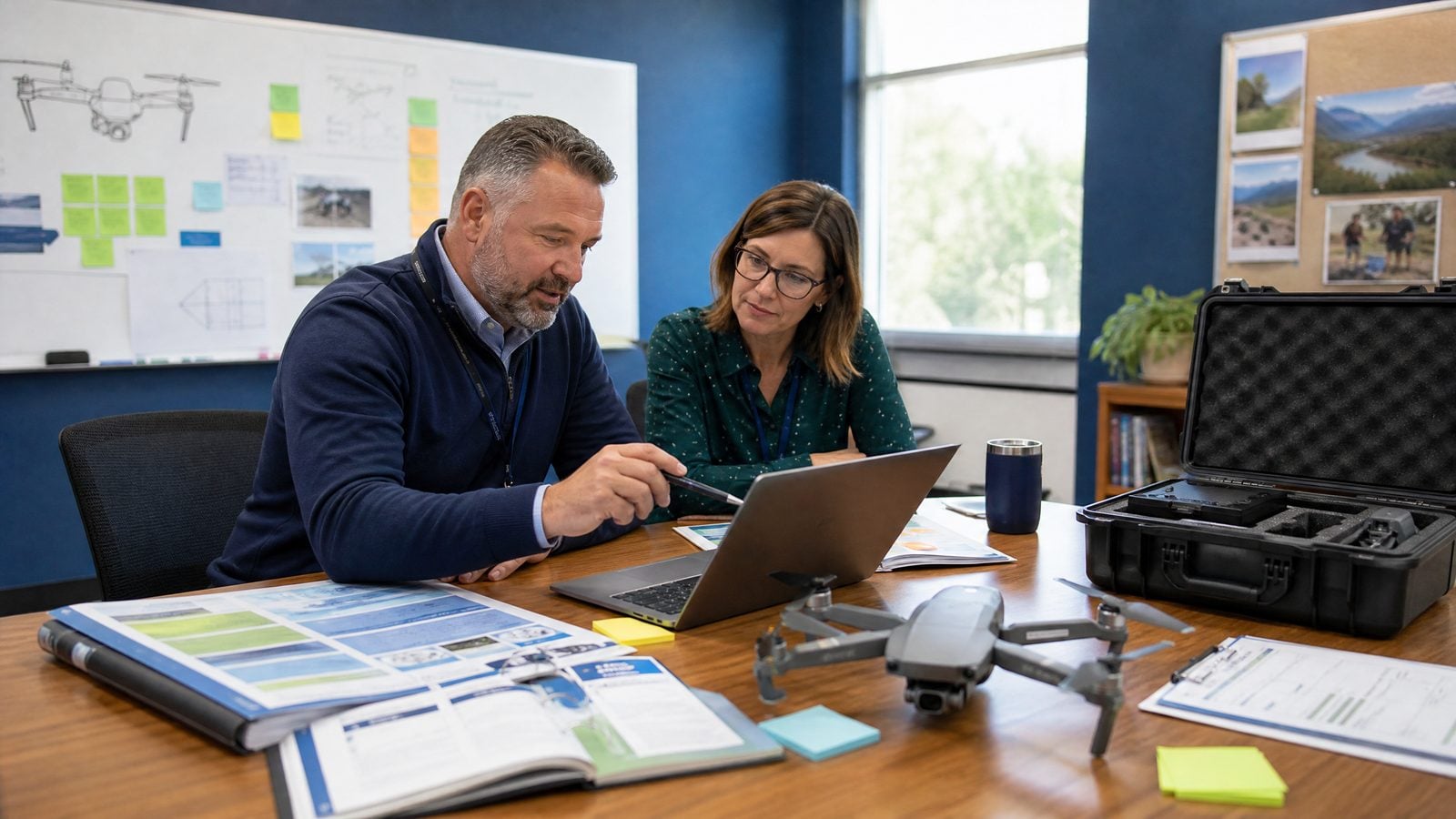
The most common budgeting mistake is starting with a shopping list. Schools compare aircraft, cases, batteries, tablets, and accessories before defining what students should be able to do. A stronger approach begins with outcomes. Will the program support aviation, engineering, agriculture, construction, public safety, media production, environmental science, or a broader STEM pathway? Will students produce career portfolios, prepare for FAA Part 107 concepts, complete capstone missions, or explore industry use cases?
Funding principle
A fundable drone program is not a technology purchase. It is a career-connected learning pathway with equipment, curriculum, teacher support, and measurable outcomes.
That distinction matters because funders rarely want to pay for gadgets. They want to support student learning, workforce readiness, access, and program quality. The U.S. Department of Education describes Perkins Title I Basic State Grants as funds used to develop academic, technical, and employability skills for secondary and postsecondary CTE students, with approximately $1.4 billion appropriated annually under the Perkins statute.[1] A drone program is easier to justify when it is framed as a structured CTE investment rather than a one-time equipment request.
Build a Budget That Shows the Whole Program
A school drone program budget should include four layers: instruction, equipment, implementation, and sustainability. Instruction includes curriculum, lesson materials, assessment tools, standards alignment, and teacher onboarding. Equipment includes drones, batteries, chargers, tablets or controllers, cones, landing pads, storage cases, propeller guards, spare parts, and safety gear. Implementation includes professional learning, policy review, program coordination, and classroom setup. Sustainability includes replacements, maintenance, software renewals, and expansion over time.
Showing these layers helps administrators understand the full cost of ownership. A bare aircraft purchase may look cheaper, but it can create hidden costs when teachers need to build curriculum, solve safety questions, or replace damaged components without a plan. A complete budget makes the program more credible because it shows that the school is planning for instruction, compliance, and continuity.
| Budget Category | What to Include | Why It Matters |
|---|---|---|
| Curriculum and assessment | Lesson sequence, teacher materials, rubrics, capstone projects, Part 107 concepts | Turns equipment into measurable learning |
| Aircraft and accessories | Training drones, batteries, chargers, cases, propeller guards, landing pads | Supports safe and repeatable classroom operations |
| Teacher support | Onboarding, professional learning, implementation guidance | Reduces the burden on teachers and improves program consistency |
| Safety and operations | Checklists, cones, storage, maintenance logs, replacement parts | Creates defensible procedures for students and administrators |
| Sustainability | Replacement cycle, software, consumables, expansion funds | Prevents the program from stalling after year one |
Use Perkins V as a Starting Point, Not a Shortcut
Perkins V is often the first funding source CTE leaders consider, but schools should treat it as a planning framework rather than a blank check. State and local rules matter, and allowable uses vary by application, program approval, local needs assessments, and state guidance. The Utah State Board of Education describes Perkins as support for high-quality CTE programs of study, systems alignment, program improvement, technical achievement, secondary-postsecondary connections, and accountability.[2] New York’s Perkins guidance notes that eligible institutions may use Perkins V funds to supplement CTE programs, including professional and support staff, equipment, supplies, and materials, among other potential expenditures.[3]

For a drone program, the practical takeaway is simple: connect every requested item to an approved CTE objective. If you are requesting drones, explain which competencies they support. If you are requesting curriculum, explain how it strengthens technical and employability skills. If you are requesting teacher training, explain how it improves program quality and student safety. The stronger the connection between the expense and the program of study, the easier it is for reviewers to understand the request.
Map the Drone Program to Your CLNA and Local Workforce Story
A Comprehensive Local Needs Assessment, often called a CLNA, can help schools make the case for drone funding. Minnesota’s Department of Education explains that its Perkins consortia conduct a CLNA to guide two-year plans and priorities, and that local districts seeking Perkins funds must have approved CTE programs taught by appropriately licensed CTE teachers.[4] This is important because a drone proposal should not feel disconnected from the district’s existing CTE strategy.
The best funding request does not say, “We want drones.” It says, “Here is the workforce problem, here is the student learning gap, and here is how a drone pathway helps us close it.”
Schools can make the local story concrete by naming the industries that already use aerial data or unmanned aircraft. Agriculture programs can connect drones to crop observation and field scouting. Construction and architecture pathways can connect drones to site documentation and project communication. Public safety pathways can discuss situational awareness and incident response concepts. Media arts can connect drones to visual storytelling, while environmental science can connect them to land and habitat observation. The funding case becomes stronger when it shows how one program can serve multiple pathways.
Consider Multiple Funding Streams
Schools do not need to rely on one source. A realistic funding plan can combine CTE funds, district instructional budgets, foundation grants, local workforce partners, community sponsors, and phased purchases. The key is to match each funding stream to an appropriate part of the program. For example, a grant may be a good fit for startup equipment, while the district budget may be better for consumables and replacement parts. A workforce partner might support a capstone challenge, guest speakers, or local industry alignment.
| Funding Stream | Best Use | How to Strengthen the Ask |
|---|---|---|
| Perkins V or CTE funds | Curriculum, equipment, teacher support, program improvement | Connect every item to the approved program of study and local needs |
| District instructional funds | Core classroom materials, replacement parts, recurring supplies | Show how the program supports district STEM and career-readiness goals |
| Education foundations | Startup kits, student showcases, innovation pilots | Emphasize student access, hands-on learning, and community visibility |
| Workforce partners | Capstone projects, advisory input, local career context | Ask partners to validate industry relevance, not just donate money |
| Phased purchasing | Year-one launch, year-two expansion, year-three pathway growth | Reduce initial cost and demonstrate a responsible growth plan |
Create a Three-Phase Purchase Plan
A phased plan can make approval easier because it reduces risk. Phase one should fund the minimum viable program: curriculum, teacher onboarding, a small set of training drones, safety materials, and classroom procedures. Phase two can add more aircraft, software, mission accessories, and cross-curricular projects after teachers have proven the routines. Phase three can expand into advanced equipment, community partnerships, student showcases, and credential-aligned experiences.
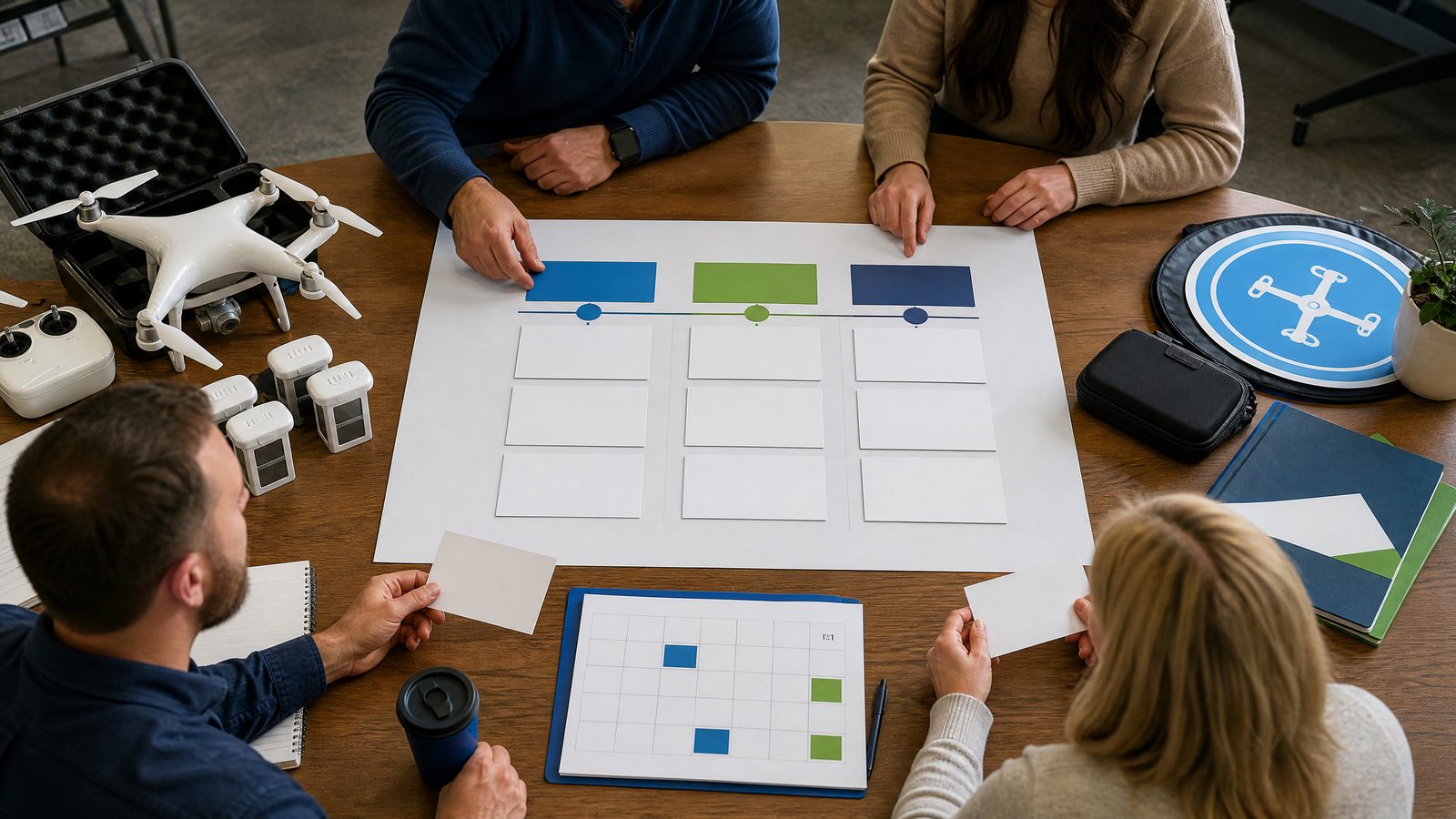
This approach also helps schools avoid overspending too early. A first-year program does not need every possible aircraft or sensor. It needs enough reliable equipment to teach safely and consistently. Once teachers understand class sizes, flight logistics, maintenance needs, and student project goals, the school can make better decisions about expansion. Administrators appreciate phased plans because they show discipline and reduce the chance that equipment sits unused.
Budget for Teacher Capacity
Teacher capacity is one of the most important and most underfunded parts of a drone program. A school can purchase excellent equipment and still struggle if the teacher has no lesson sequence, no safety checklist, no troubleshooting support, and no confidence in the regulatory context. The FAA states that to fly under Part 107, a Remote Pilot Certificate demonstrates understanding of regulations, operating requirements, and procedures for safely flying drones.[5] Even when a course is introductory, teachers benefit from understanding the concepts students will encounter as they progress.
Budget warning
Do not spend the entire grant on hardware. Reserve funds for teacher onboarding, curriculum support, safety procedures, and replacement parts so the program can actually run.
Administrators should budget for professional learning as part of implementation, not as an optional add-on. Teachers need time to learn the curriculum, understand aircraft care, rehearse classroom roles, and plan safe progression from ground lessons to controlled flight. If a district wants the program to scale across multiple schools, teacher capacity becomes even more important because the district needs consistency from classroom to classroom.
Make the Approval Case Administrators Want to See
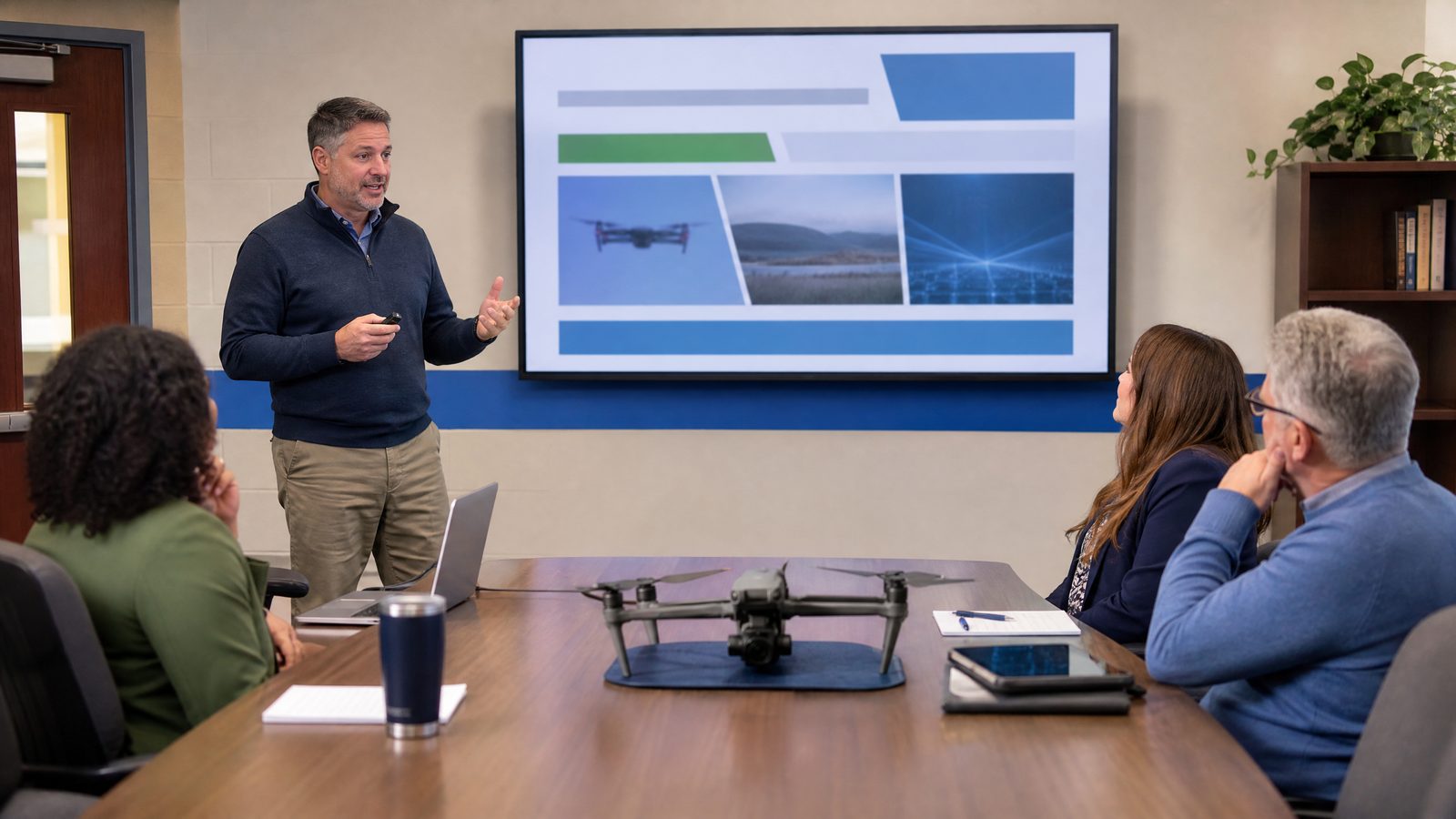
A strong funding proposal should fit on one or two pages before it links to supporting documents. It should name the student audience, the CTE pathway, the program goal, the budget request, the funding source, the implementation timeline, and the outcomes the school will measure. It should also explain how the program will be maintained after the initial purchase. This is where many proposals become too vague. “Students will learn drones” is not enough. “Students will complete a safety sequence, rotate through flight-team roles, plan missions, collect visual data, and present career-connected capstone findings” is much stronger.
Book A Demo
See how Drone Launch Learning can help your school build a fundable drone program with curriculum, implementation support, and clear CTE outcomes.
Schools should also include a simple evaluation plan. In year one, the program might measure enrollment, attendance, completed safety checks, student portfolios, capstone presentations, teacher feedback, and advisory board input. In year two, the school might add pathway growth, student credential readiness, or cross-program projects. Evaluation does not need to be complicated, but it does need to show that the investment will be reviewed and improved.
What to Put in the Budget Narrative
The budget narrative is where the school explains why each cost belongs. For curriculum, the narrative should say that structured lessons reduce teacher preparation burden and align student work with career-connected outcomes. For drones and accessories, it should explain how the equipment supports safe, hands-on technical practice. For teacher training, it should connect professional learning to implementation quality. For replacement parts, it should explain that consumables are necessary for a sustainable lab environment.
A good narrative also anticipates concerns. If reviewers ask about safety, point to written procedures, role assignments, and supervised operations. If they ask about equity, explain how the program gives students access to emerging technology during the school day rather than only through private clubs. If they ask about workforce relevance, connect the program to local industries and advisory input. If they ask about sustainability, show the phased replacement plan.
Key Takeaways for Schools
Key Takeaways
- Funding a school drone program starts with outcomes, not equipment.
- Perkins V and CTE funds are strongest when requests connect directly to approved programs of study and local needs.
- A complete budget should include curriculum, equipment, teacher support, safety operations, and sustainability.
- Schools can reduce approval risk by using a phased purchase plan instead of buying everything at once.
- The strongest proposal explains workforce relevance, student outcomes, safety procedures, and long-term maintenance.
Ready to Build a Fundable Drone Program?
Drone programs are easier to fund when they are framed as serious CTE pathways. The goal is not to convince leaders that drones are exciting. The goal is to show that a structured drone program can help students build technical knowledge, employability skills, safety habits, and career awareness in a way that aligns with the school’s broader priorities.
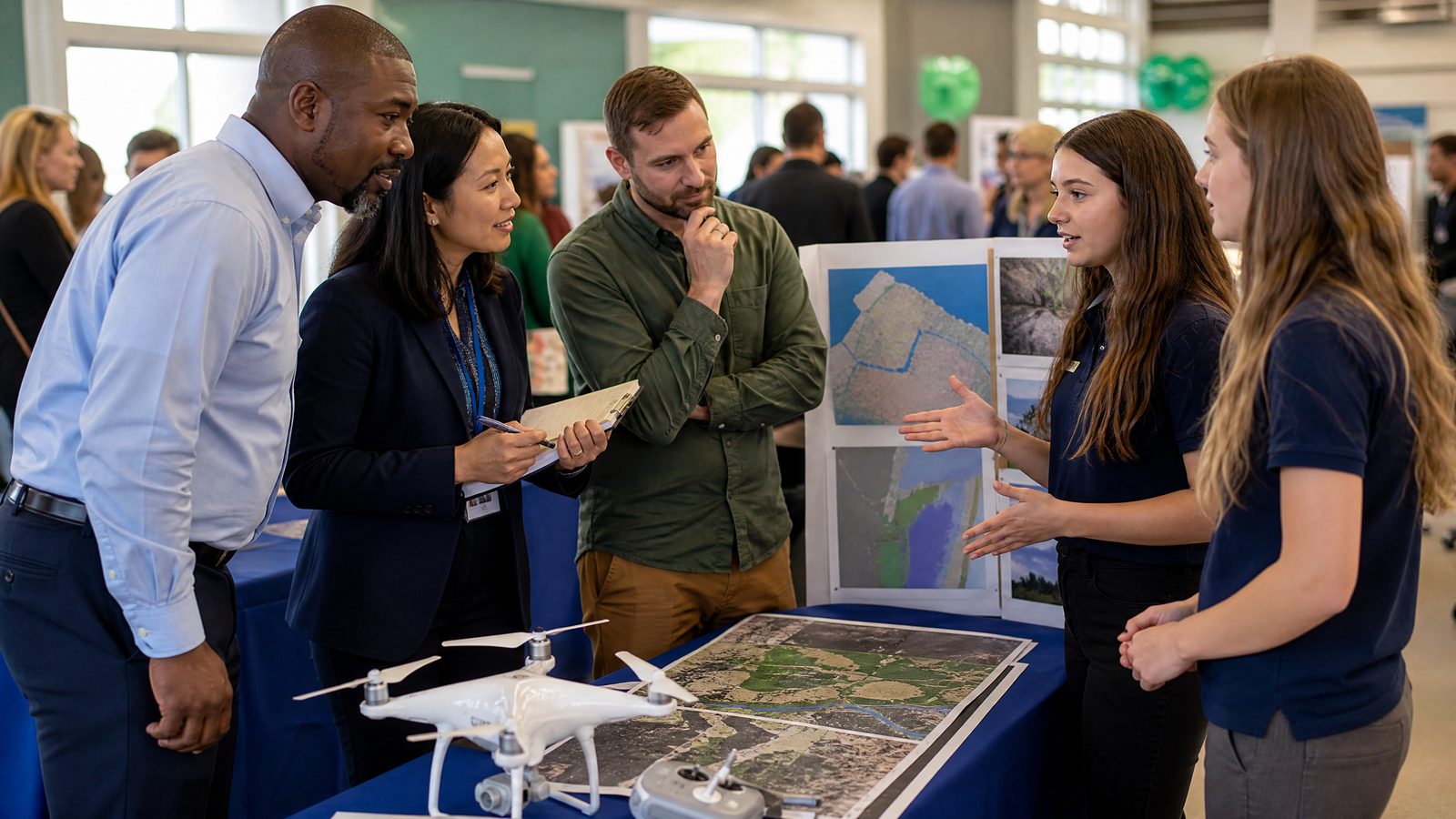
If your school is preparing a budget request, start with the learning outcomes, identify the funding streams that match those outcomes, and build a phased plan that includes both equipment and implementation support. That approach gives administrators confidence and gives teachers the structure they need to launch well.
Build a drone program that funders can understand
See how Drone Launch Learning can help your school plan a structured, safety-focused drone program with curriculum, implementation support, and clear CTE outcomes.
References
[1] U.S. Department of Education OCTAE, “State Allocations.”
[2] Utah State Board of Education, “Perkins V.”
[4] Minnesota Department of Education, “Perkins V Legislation.”
[5] Federal Aviation Administration, “Become a Certificated Remote Pilot.”