

Drones in Public Safety: A CTE Educator’s Guide to the Career Pathway
In communities across the country, first responders are increasingly relying on a new tool to save lives, protect property, and manage complex emergencies: unmanned aircraft systems (UAS). The integration of drones into law enforcement, fire departments, and emergency management is no longer an experimental concept. According to recent industry surveys, over 76% of public safety agencies are already using drones, and that number continues to climb. For educators, this rapid adoption signals a massive opportunity to build a drones in public safety CTE curriculum that prepares students for stable, high-demand careers.
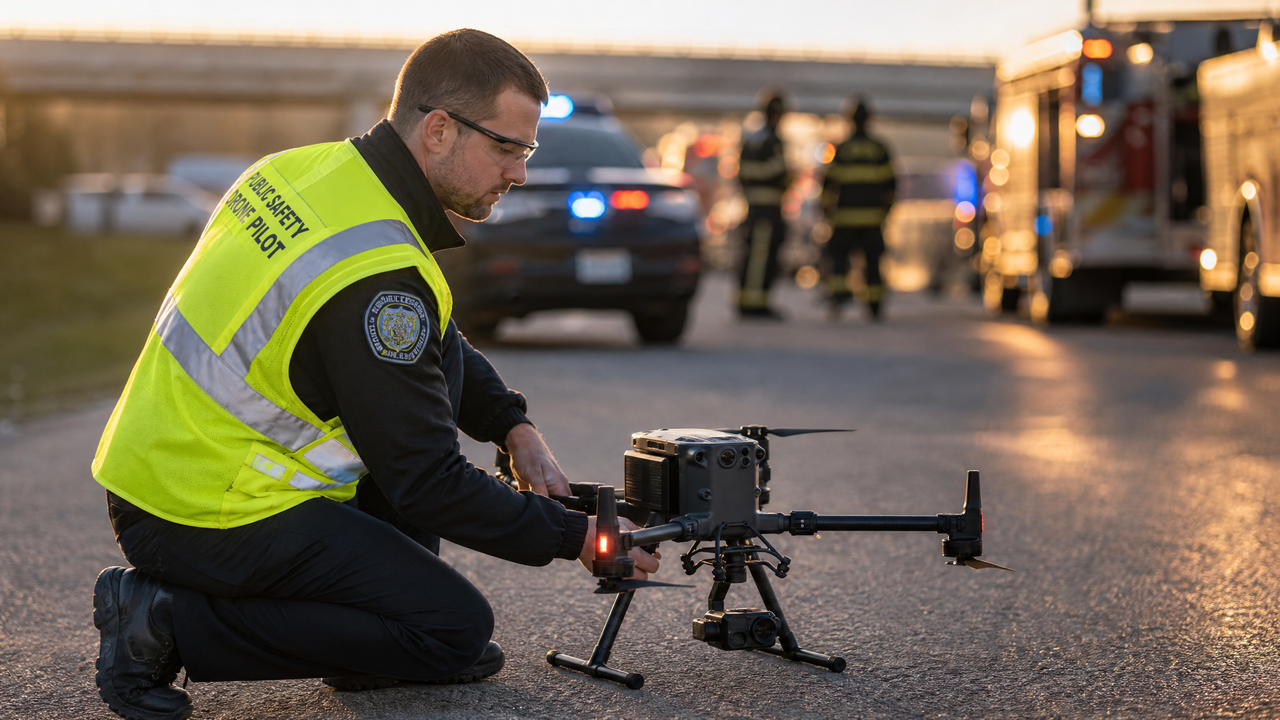
Career and Technical Education (CTE) programs are perfectly positioned to meet this growing workforce need. By teaching students how to operate drones within a public safety framework, schools can bridge the gap between aviation technology and traditional criminal justice or fire science pathways. This guide explores the expanding role of drones in emergency response, the skills students need to succeed, and how educators can structure a comprehensive curriculum to launch the next generation of first responder drone pilots.
Why Public Safety Is One of the Fastest-Growing Drone Career Sectors
The public safety sector is experiencing a technological revolution. Drones provide incident commanders with real-time, aerial situational awareness that was previously only available via expensive, slow-to-deploy manned helicopters. This capability has transformed how agencies handle everything from active shooter situations and hazardous material spills to missing person searches and traffic accident reconstruction.
One of the most significant developments driving this growth is the implementation of Drone as First Responder (DFR) programs. In a DFR model, a drone is stationed on a rooftop and dispatched immediately when a 911 call is received. The drone often arrives on the scene before ground units, providing live video feeds to responding officers and dispatchers. This allows agencies to de-escalate situations, allocate resources more efficiently, and improve officer safety.
As these programs expand, the demand for certified, highly trained operators is outpacing the current supply. Agencies are actively recruiting individuals who not only possess an FAA Part 107 commercial pilot license but also understand the specific protocols, legal constraints, and high-pressure environment of public safety operations. For high school students, acquiring these skills before graduation provides a significant competitive advantage in the job market.
What Does a Public Safety Drone Career Actually Look Like?
A career as a public safety drone operator is dynamic and multifaceted. While some larger departments employ dedicated, full-time UAS pilots, many agencies integrate drone operation into the duties of existing sworn personnel, such as police officers, firefighters, or emergency medical technicians (EMTs). However, as DFR programs mature, the need for civilian drone operators and program managers is increasing.
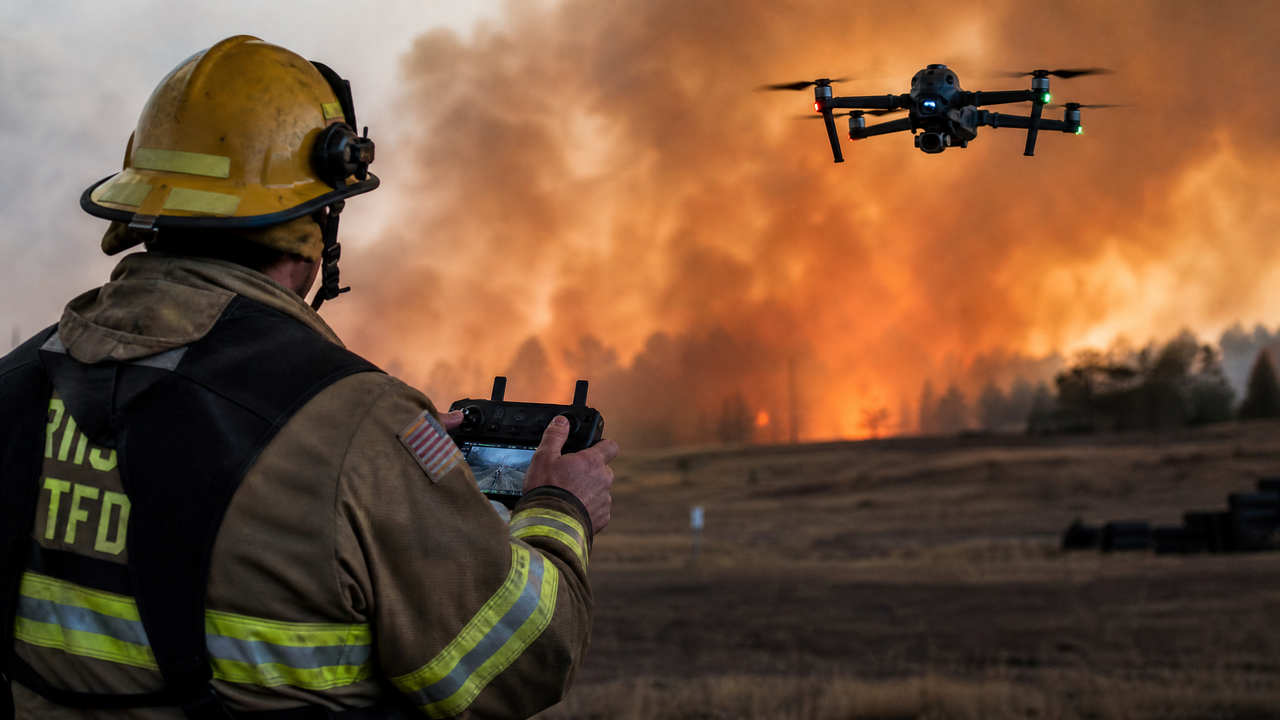
In law enforcement, a drone operator might spend their shift deploying a drone to monitor a large public gathering, assisting in the pursuit of a fleeing suspect, or using photogrammetry software to map a complex crime scene. In the fire service, an operator might use a thermal imaging camera to identify hotspots in a burning commercial building, helping the incident commander direct water precisely where it is needed to prevent roof collapse.
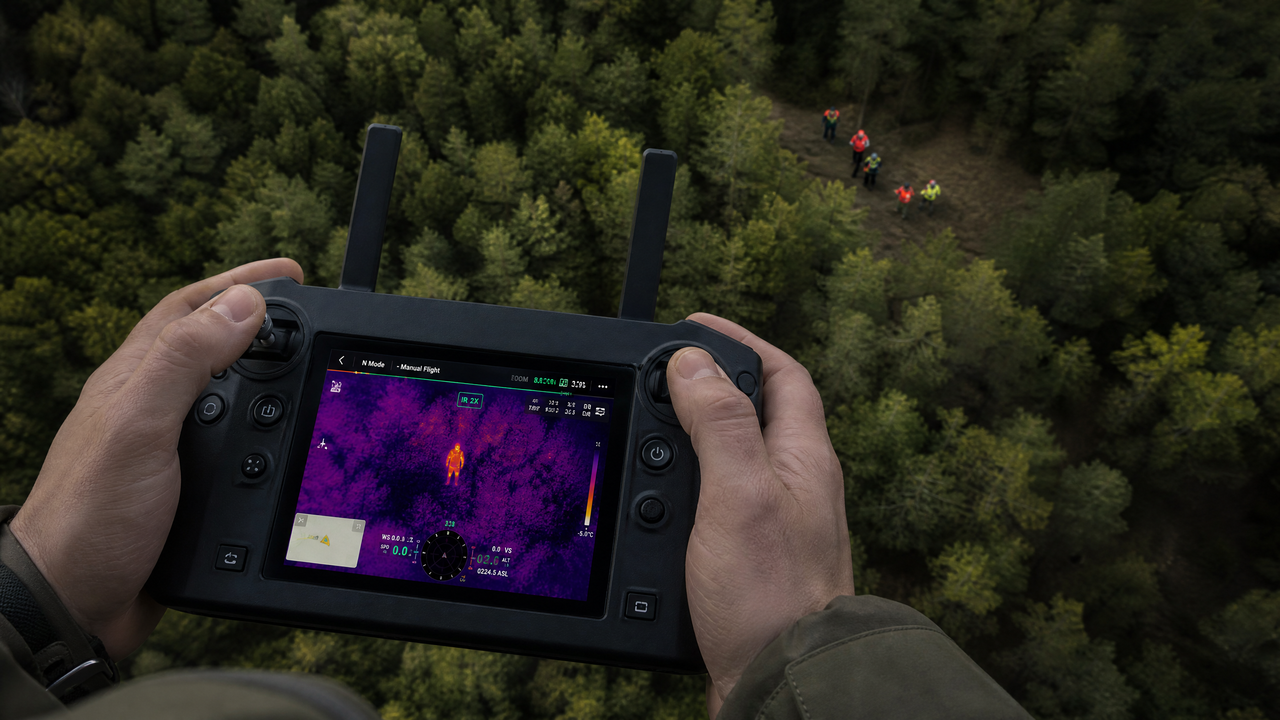
Search and rescue (SAR) coordinators utilize drones to cover vast, rugged terrain much faster than ground teams. By programming automated flight grids and utilizing advanced sensors, SAR drone operators can locate missing hikers in dense forests or assess flood damage in inaccessible areas.
Public safety drone roles often come with civil service benefits, pension plans, and job stability that private sector freelance drone roles simply cannot offer, making them an excellent long-term career choice for students.
How to Build a Drones in Public Safety CTE Curriculum
Developing a robust drones in public safety CTE curriculum requires more than teaching basic flight maneuvers. It demands a structured approach that combines aviation fundamentals with emergency response protocols. The foundation of any successful program must be preparation for the FAA Part 107 exam, as commercial certification is legally required for all public safety drone operations.
“Teaching students to fly a drone in a public safety context isn’t just about the aircraft — it’s about critical thinking, legal compliance, and decision-making under extreme pressure.”
— CTE Program Director
Beyond certification, the curriculum should focus on specific competencies essential to emergency response. Students must learn how to conduct rigorous pre-flight inspections, communicate effectively with air traffic control and incident commanders, and manage battery life during extended operations. They must also understand the legal and ethical considerations of aerial surveillance, including Fourth Amendment rights and departmental transparency policies.
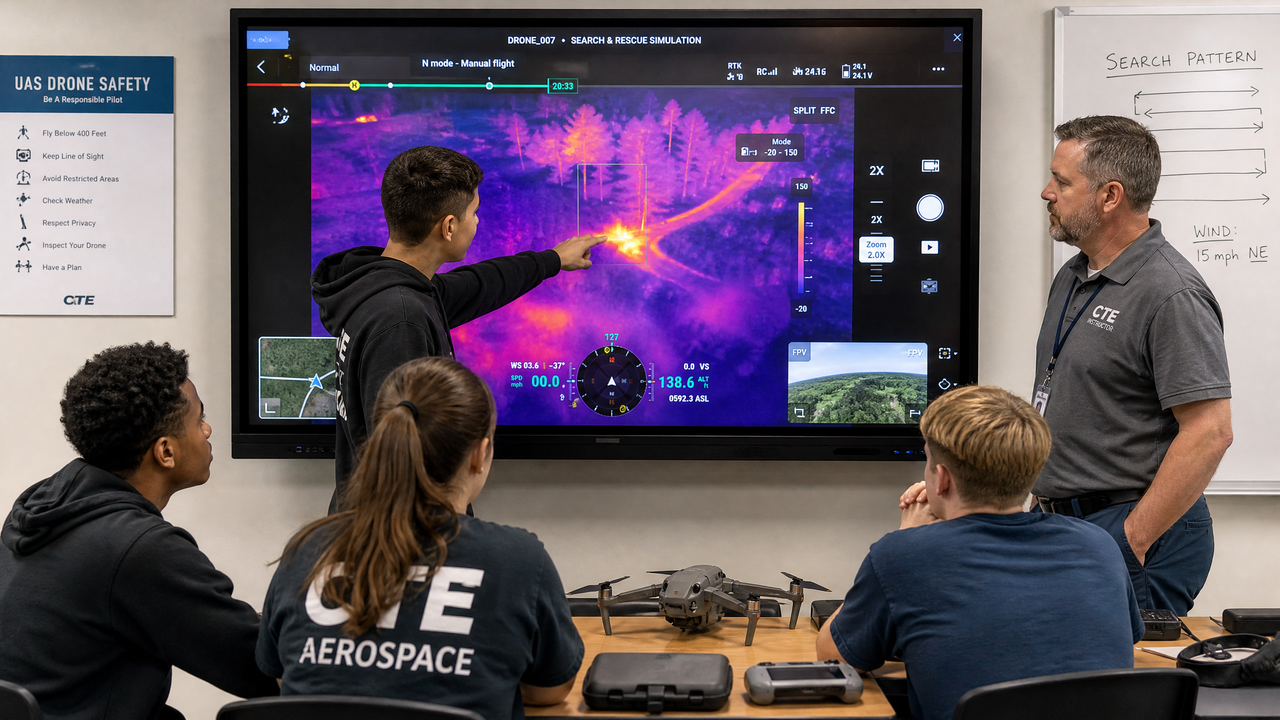
To maximize the impact of your program, integrate the drone curriculum with existing public safety, criminal justice, or fire science pathways. For example, criminal justice students can learn how to use drones for traffic collision reconstruction, while fire science students can focus on thermal imaging and hazardous materials assessment. This cross-disciplinary approach provides context and relevance to the technology.
Real-World Applications Students Will Learn to Support
To prepare students for the realities of the job, your curriculum must include scenario-based training that mirrors real-world emergencies. In law enforcement modules, students can practice using drones for crowd monitoring or securing a perimeter. They can learn how drones equipped with specialized software can rapidly map a vehicle accident scene, allowing roads to reopen hours faster than traditional measurement methods.
For fire and rescue applications, understanding thermal imaging is paramount. Students should learn how to interpret radiometric data to distinguish between a human heat signature and a warm rock, or how to identify the seat of a fire through thick smoke. They can practice flying simulated missions where they must relay critical structural information to a simulated incident commander.
Disaster response and emergency management provide further training opportunities. Students can learn how to use drones to assess infrastructure damage following a severe storm, monitor rising floodwaters, or deliver emergency medical supplies, such as an AED or life jacket, to a victim in an inaccessible location.
See How DLL Prepares Students for Real Careers
Our turnkey curriculum includes public safety applications, FAA Part 107 prep, and scenario-based training designed for CTE classrooms.
Equipment and Skills Your Program Needs
Equipping a public safety drone program requires careful consideration of the specific use cases you intend to teach. While basic training drones are excellent for teaching initial flight skills and Part 107 concepts, students will eventually need access to more advanced equipment to practice public safety scenarios. Drones equipped with dual visual and thermal cameras, such as the DJI Mavic 3T or the Autel EVO II Dual, are standard in the industry and provide the necessary sensor capabilities for comprehensive training.
In addition to the aircraft, students must learn to use the software that powers public safety operations. This includes flight planning applications, 3D mapping and photogrammetry software (like Pix4D or DroneDeploy), and live-streaming platforms used to share video feeds with command centers.
Before conducting any scenario-based training outdoors, ensure your school district’s liability insurance explicitly covers drone operations and simulated public safety activities. Always adhere strictly to FAA regulations and local ordinances.
Designing realistic, scenario-based exercises is crucial. Set up mock accident scenes in the school parking lot for students to map, or hide mannequins in a wooded area near the school for a simulated search and rescue mission. These exercises teach students how to operate under pressure, communicate effectively, and apply their technical skills to solve complex problems.
Career Outcomes and Earning Potential for Your Students
The earning potential for public safety drone operators is highly competitive, especially for those who combine drone skills with traditional first responder training. Salaries for dedicated drone operators in law enforcement or emergency management typically range from $55,000 to $95,000 per year, depending on the region and the size of the agency. As the technology becomes more deeply integrated into daily operations, these roles are expected to see continued wage growth and increased opportunities for advancement.
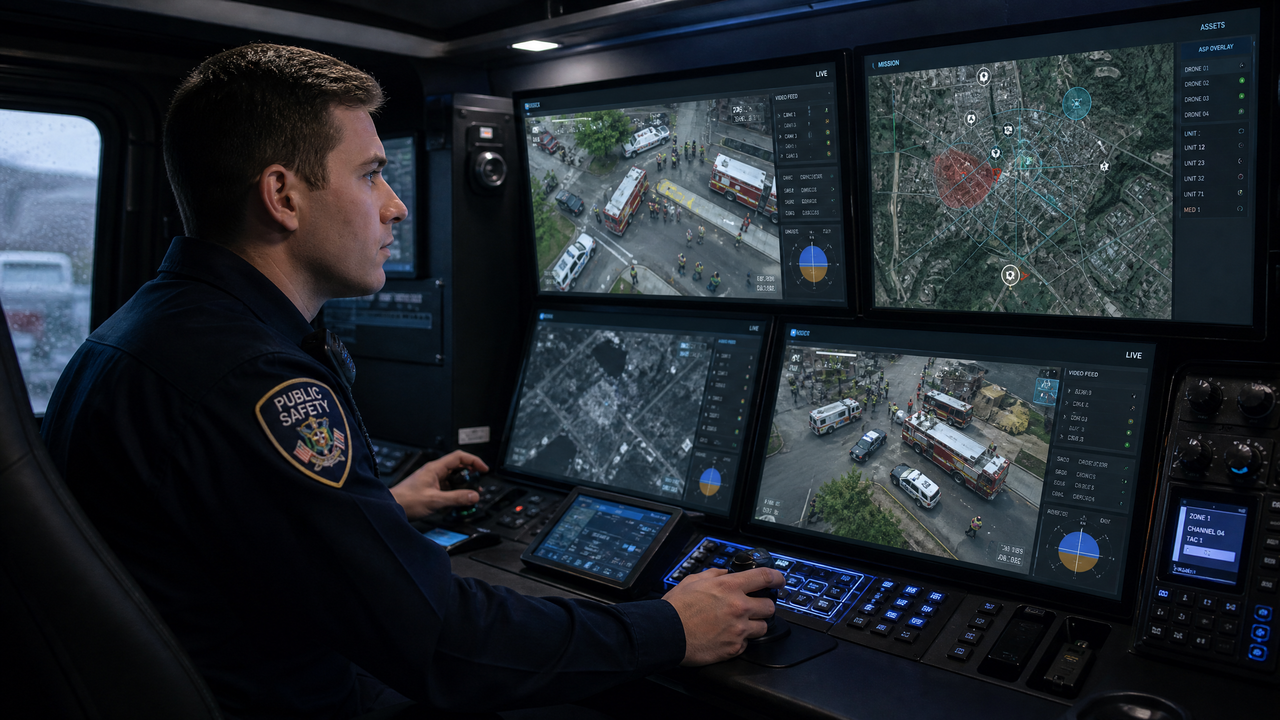
For high school students, a CTE drone program can serve as a direct pipeline to employment or further education. Many students leverage their Part 107 certification and CTE experience to secure entry-level positions or internships with local emergency management agencies immediately after graduation. Others choose to pursue associate degrees in unmanned systems or criminal justice at community colleges, utilizing articulation agreements established by their high school CTE programs.
To maximize these outcomes, actively cultivate relationships with local police departments, fire districts, and emergency management agencies. Invite public safety drone program managers to speak to your classes, serve on your CTE advisory board, or provide feedback on your curriculum. These industry connections ensure your program remains relevant and provides students with valuable networking opportunities.
Conclusion
Integrating drones into your public safety CTE curriculum is more than just teaching students how to use a new piece of technology; it is about preparing them to save lives and serve their communities in innovative ways. By providing comprehensive training, FAA Part 107 certification, and realistic scenario-based experience, educators can equip students with the skills they need to excel in one of the fastest-growing and most impactful career sectors in the country.
Key Takeaways
- ✓ 76% of public safety agencies currently utilize drone technology for emergency response
- ✓ Drone as First Responder (DFR) programs are driving rapid job growth across law enforcement, fire, and EMS
- ✓ A successful curriculum must include FAA Part 107 certification and scenario-based training exercises
- ✓ Thermal imaging and 3D mapping are essential technical skills for fire, police, and search & rescue applications
- ✓ Build industry partnerships with local agencies to create direct career pipelines and internship opportunities for students
Ready to Launch Your Public Safety Drone Program?
Book a demo today to see how our turnkey curriculum can prepare your students for careers in emergency response and public safety.