

The 2026 Drone Industry Salary Guide for Educators: What Your Students Can Earn
When proposing a new Career and Technical Education (CTE) pathway, the very first question school boards, parents, and administrators ask is inevitably: “Are there real jobs with good pay in this field?” For emerging technologies, proving the return on investment (ROI) can be challenging. Educators often lack centralized, up-to-date compensation data to effectively justify the implementation of a commercial drone program. However, the aerospace landscape has matured significantly, and the financial outcomes for certified pilots are now highly compelling.
To help you build a robust case for your CTE program, we have compiled the definitive drone industry salary guide for educators. This comprehensive breakdown explores what commercial drone pilots actually earn across various specializations in 2026. By understanding these financial trajectories, you can better advise your students, align your curriculum with high-paying skills, and successfully secure the funding necessary to launch a transformative educational initiative.

The Baseline: General Commercial Drone Operations
The foundation of any commercial drone career in the United States is the Federal Aviation Administration (FAA) Part 107 Remote Pilot Certificate. This certification allows individuals to legally operate drones for commercial purposes. For students entering the workforce directly out of high school with a Part 107 certificate and basic flight proficiency, the initial opportunities generally fall into the category of general commercial operations. This includes sectors such as residential real estate photography, basic roof inspections, and entry-level media production.
In these general roles, starting salaries typically range from $45,000 to $60,000 annually. While this is a respectable starting wage for a recent high school graduate, it represents only the baseline of what is possible in the industry. The key takeaway for educators is that basic flight skills are becoming commoditized. To truly maximize your students’ earning potential, your curriculum must push beyond basic maneuvering and introduce them to specialized data collection and analysis.
Average Starting Salary
Industry Value by 2026
Operators Needed
High-Yield Specialization: Surveying and Mapping
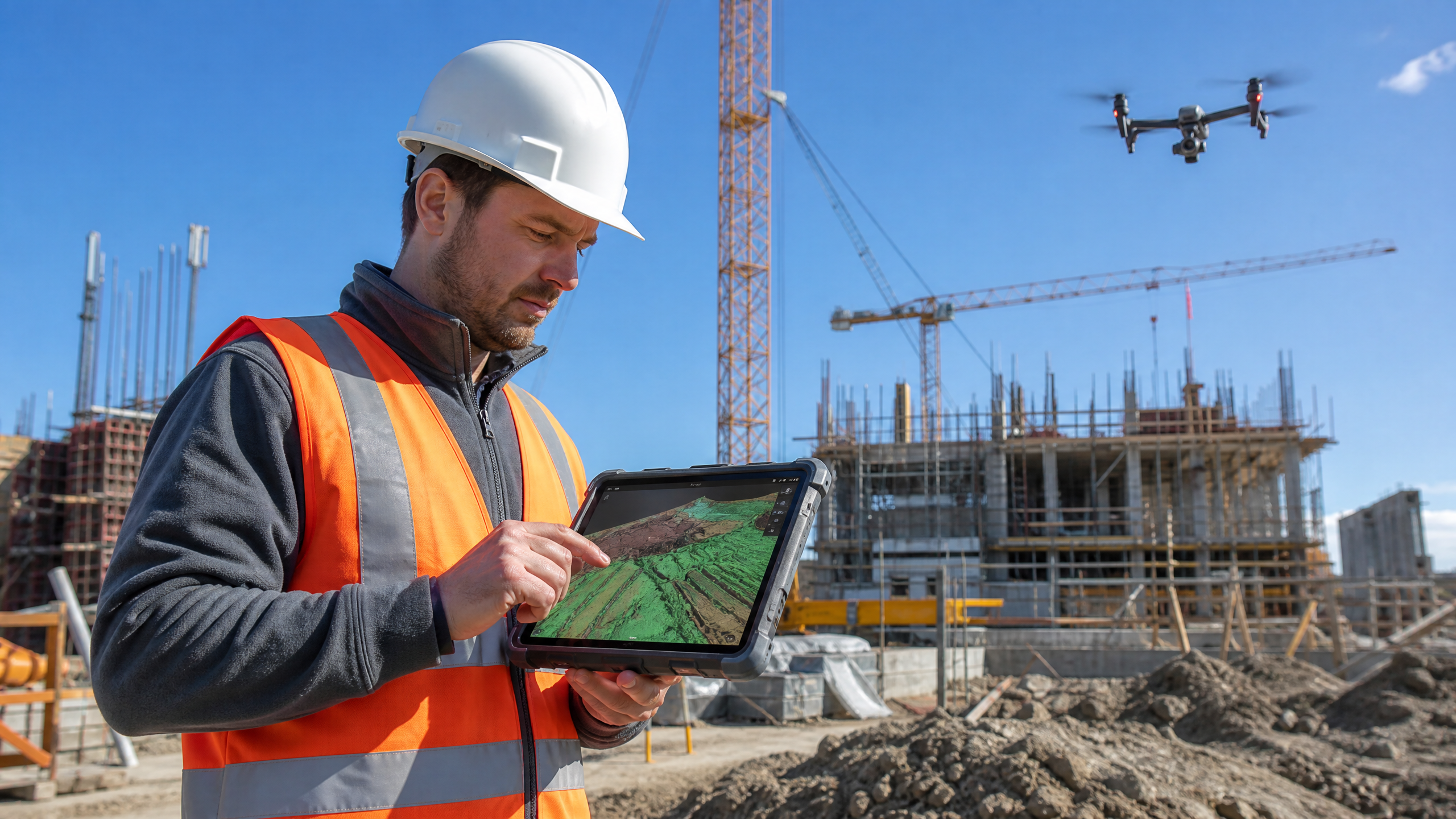
One of the most lucrative sectors within the commercial drone industry is surveying and mapping, often referred to as photogrammetry. In construction, civil engineering, and agriculture, drones are used to capture hundreds of high-resolution images that are then stitched together using advanced software to create precise 3D models and topographic maps. This data is critical for site planning, volume calculations, and project monitoring.
Because this specialization requires a deep understanding of geospatial data, flight planning for overlap, and complex processing software, the compensation is significantly higher. Drone pilots specializing in surveying and mapping frequently command salaries ranging from $75,000 to well over $110,000. For educators, this data highlights a critical curriculum requirement: teaching students how to fly the drone is only half the equation; teaching them how to process the data is where the true financial value lies.
Specialized Sectors: Public Safety and Inspection
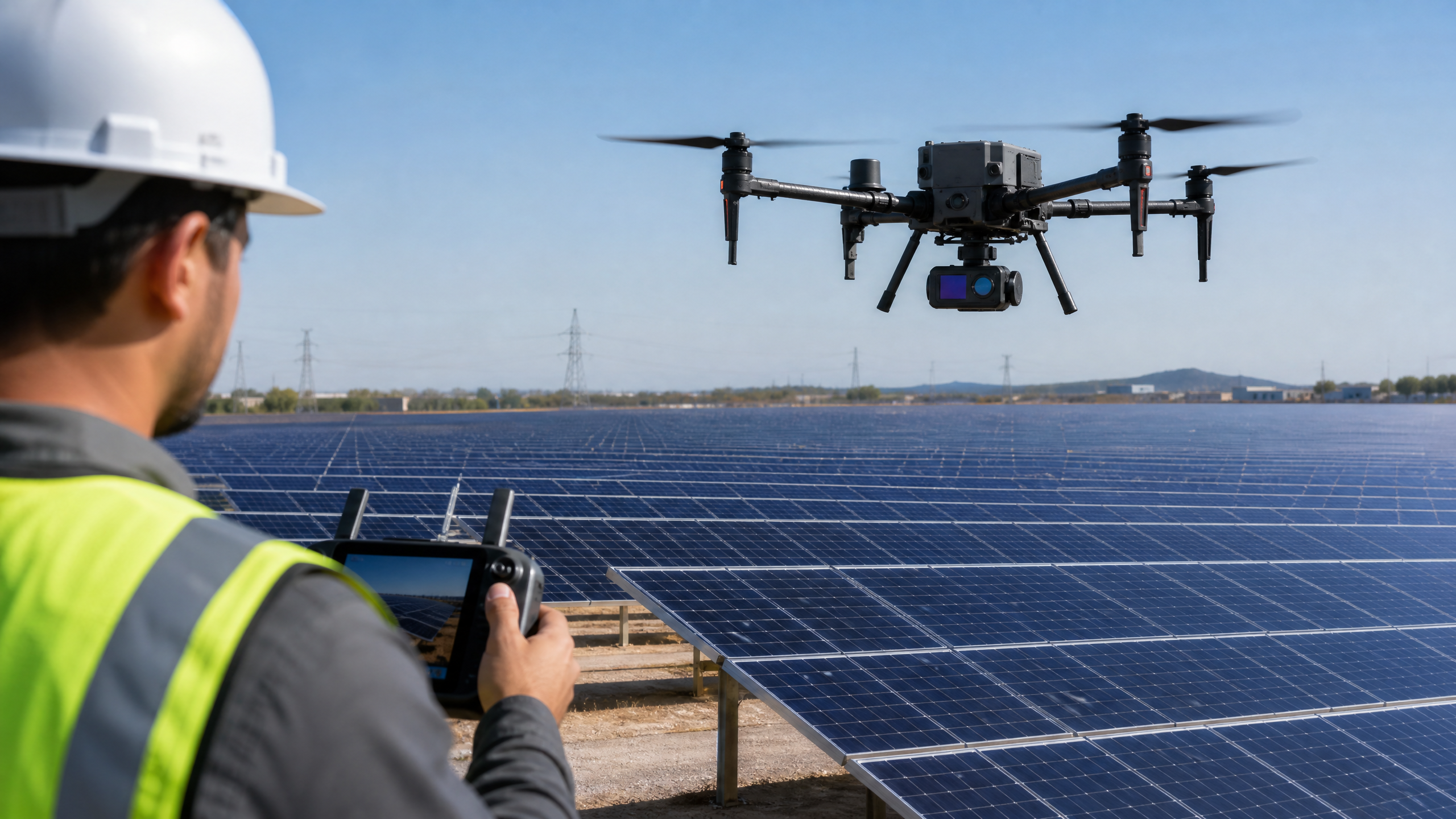
Beyond mapping, industrial inspection and public safety represent massive growth areas with exceptional earning potential. Energy companies, telecommunications firms, and infrastructure managers rely heavily on drones to inspect power lines, wind turbines, cell towers, and bridges. These inspections often require specialized payloads, such as thermal (infrared) cameras, to detect heat anomalies that indicate equipment failure.
Pilots who hold both a Part 107 certificate and specialized training in thermography are in exceptionally high demand. Salaries in the industrial inspection sector routinely fall between $80,000 and $120,000. Similarly, law enforcement agencies and fire departments are rapidly integrating drones for search and rescue, accident reconstruction, and tactical overwatch. While public safety salaries vary by municipality, specialized drone operators within these departments often receive significant pay bumps and accelerated career advancement.
Avg. Inspection Salary
Industry Growth Rate
States with Drone CTE
“The true value of a drone education lies not in teaching students how to fly, but in teaching them how to collect and analyze highly specialized data.”
Freelance vs. In-House Employment Models
When discussing the drone industry salary guide for educators with your students, it is important to address the different employment models available. The drone industry is unique in that it supports a massive freelance economy alongside traditional corporate employment. Independent contractors (freelancers) often charge day rates ranging from $500 to $1,500, depending on their equipment and expertise. While this can seem incredibly lucrative, it requires students to manage their own business operations, client acquisition, and equipment maintenance.
Conversely, in-house corporate drone programs are expanding rapidly. Major construction firms, engineering companies, and agricultural conglomerates are hiring full-time, W-2 drone pilots. These positions offer stable salaries, comprehensive health benefits, retirement plans, and paid time off. Educators should prepare students for both pathways, ensuring they possess the technical skills for corporate roles and the basic business acumen required for freelance success.

Using Salary Data to Secure Program Funding
The data presented in this drone industry salary guide for educators is not just for student advising; it is your most powerful tool for securing program funding. Federal funding streams, such as the Perkins V grant, mandate that CTE programs align with high-skill, high-wage, and in-demand occupations. By presenting this salary data to your administration and grant committees, you can definitively prove that a commercial drone program meets all three criteria.
When drafting funding proposals, emphasize that a comprehensive drone curriculum prepares students for careers that far exceed the median income for high school graduates. Highlight the pathways into surveying, inspection, and public safety. By connecting the educational investment directly to these high-paying outcomes, you transition the conversation from an “innovative elective” to an “essential workforce development initiative.”
- ✓Commercial drone pilots command average starting salaries of $60,000+.
- ✓Specialized skills like mapping and thermography push salaries over $100,000.
- ✓Data processing is as important as flight skills for high-paying roles.
- ✓Use this salary data to justify Perkins V funding for your program.
- ✓Partner with experts to ensure your curriculum meets industry demands.

Conclusion
The financial ROI of a commercial drone education is undeniable. As this drone industry salary guide for educators demonstrates, students who graduate with their FAA Part 107 certification and a foundation in data collection are stepping into a highly lucrative job market. Whether they pursue careers in agriculture, construction, public safety, or media, the earning potential is exceptional.
To ensure your students can access these top-tier salaries, your school needs a curriculum that goes beyond the basics. By partnering with experienced educational providers, you can implement a rigorous, industry-aligned program that truly prepares your students for the six-figure aerospace careers of tomorrow. Don’t let your students miss out on this economic opportunity; equip them with the skills the market demands.